
713-229-8333

-

- Home
- Our Firm
- DWI
- First DWI
- Second DWI
- Third DWI
- Fourth DWI or More
- Felony DWI
- Commercial Vehicle DWI
- Motorcycle DWI
- Controlled Substance or Drug DWI
- Out of State Resident DWI
- College Student DWI
- Underage DUI
- DWI Defense for Licensed Professionals
- CPA Licenses
- Dental Licenses
- EMT Licenses
- Law Licenses
- Medical Licenses
- Mental Health Counselor Licenses
- Small Business
- Nursing Licenses
- Pharmacist Licenses
- Pilot Licenses
- Podiatrist Licenses
- Psychologist Licenses
- Real Estate Licenses
- SEC Securities Licenses
- Security Clearances
- Teaching Licenses
- Veterinarian Licenses
- Optometrist Licenses
- Collateral Consequences of DWI
- DWI Criminal Procedure
- ALR Hearing
- Open Container
- DWI Tests
- Boating While Intoxicated
- Criminal Defense
- Drug Crimes
- Drug Possession
- Drug Distribution
- Drug Conspiracy
- Drug Diversion
- Juvenile Drug Crimes
- Internet Drug Crimes
- Drug Crime Enhancements
- Drug Penalty Groups
- Drug Information
- Drug Crimes FAQ
- What Is Considered a Dangerous Drug in Texas?
- What Evidence Is Needed to Convict a Person of a Drug Crime in Texas?
- Is Possession of Marijuana a Crime in Texas?
- What Are the Consequences for Repeat Drug Offenders in Houston?
- Should I Plead Guilty to a Drug Crime Charge in Texas?
- What Is the Difference Between Federal and State Drug Crime Charges?
- Opioid Crimes FAQ
- Traffic Violations
- Assault Crimes
- Homicide Crimes
- Prostitution and Solicitation
- White Collar Crimes
- Theft
- Federal Crimes
- Federal Drug Charges
- Federal White Collar Crimes
- Immigration Crimes
- Federal Weapons Charges
- Obstruction of Justice
- Federal Crimes FAQ
- How Can an Attorney Help When Im Under Federal Investigation?
- What Happens if I Plead the Fifth in a Federal Crimes Case?
- Why Have I Been Accused of Obstruction of Justice?
- What Happens to Property That Has Been Forfeited and Seized by the Federal Government?
- What Should I Know About Federal Courts and the Federal Prison System in Texas?
- What Is a Currency Transaction Report?
- What Are Pre-Arrest and Arrest Warrants in Federal Crimes Cases?
- Other Crimes
- 3G Offenses
- Probation Violations
- Deferred Adjudication
- Expunctions
- Nondisclosures
- Defense Strategies
- Criminal Defense FAQ
- Drug Crimes
- Areas Served
- Houston Courts for DWI
- Harris County
- Baytown
- Bellaire
- Braeswood Place
- Cypress
- Deer Park
- East Downtown
- Friendswood
- Galleria
- Houston Heights
- Humble
- Jersey Village
- Katy
- Kingwood
- La Porte
- Memorial Villages
- Midtown
- Missouri City
- Montrose
- Pasadena
- Precinct 1
- Precinct 4
- Precinct 5
- Rice Military
- River Oaks
- Southside Place
- Spring
- Spring Valley
- Tanglewood
- Timbergrove/Lazybrook
- Tomball
- West University Place
- Westchase
- Austin County
- Bastrop County
- Brazoria County
- Colorado County
- Fayette County
- Fort Bend County
- Galveston County
- Grimes County
- Guadalupe County
- Lavaca County
- Leon County
- Liberty County
- Madison County
- Matagorda County
- Montgomery County
- Walker County
- Waller County
- Washington County
- Wharton County
- Media
- Blog
- Contact
“I couldn't ask for a better attorney, and office to work with.”-Satisfied Client
Recent Blog Posts
What To Do When Wrongfully Arrested for DWI in Houston, TX
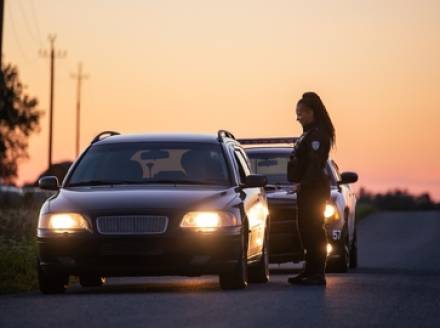 Being placed under arrest is a difficult experience for most people. The feeling of losing your freedom can be devastating, which is only topped for some people by the embarrassment of being put into the back of a police car. These emotions are only amplified when you are placed under arrest for a crime you did not commit.
Media attention for wrongful arrests and convictions typically centers around high profile cases like murder. However, the chances are good that the number of wrongful DWI arrests in Texas dwarfs the number of wrongful arrests on other charges.
One of the reasons DWI arrests are often wrongful is that so much of the evidence police rely on is subjective. From their initial observations to field sobriety tests, most of the evidence police use to form probable cause for a DWI arrest is based on their opinion. Because opinions can vary, police routinely get it wrong in DWI cases.
If you are placed under arrest for DWI despite not being intoxicated, it is important that you do everything you can to protect yourself. One misstep could weaken your case, making it difficult to prove that you were not intoxicated or had not been driving. Below, we discuss the most important steps to follow after a wrongful DWI arrest. If you are facing a wrongful DWI arrest in 2026, our Houston DWI defense lawyer can help you protect your rights from the very first step.
Can You Claim Self-Defense if You Started the Fight?
 If you start a fight, Texas law generally doesn’t allow you to claim self-defense, at least not right away. However, there are exceptions. This is especially true if you tried to back out of the fight and the other person kept coming after you. If you're facing a charge in 2026, our Houston criminal defense lawyers can help you understand whether self-defense might still apply to your case.
What Does Texas Law Say About Self-Defense and Who Started the Fight?
Under Texas Penal Code Section 9.31, self-defense generally isn't available to someone who provoked the other person's use of force. This means if you start the confrontation, the law usually treats you as the aggressor, not the victim. This is true even if the other person hit back harder than expected.
How Do You Fight a Resisting Arrest Charge in Texas?
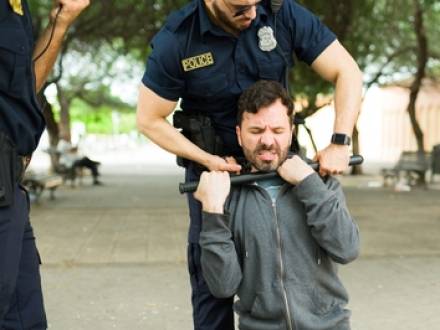 You can fight a resisting arrest charge in Texas in several ways. You may question the officer's account of what happened or argue that your actions did not meet the legal definition of resisting arrest. The legality of the underlying arrest may raise other legal issues. But an unlawful arrest by itself is not a defense to resisting arrest under Texas law.
If you're facing a charge in 2026, our experienced Houston criminal defense lawyers can help you fight back.
What Does Texas Law Say About Resisting Arrest?
Under Texas Penal Code Section 38.03, a person commits resisting arrest if they intentionally prevent or obstruct someone they know is a peace officer from carrying out an arrest, search, or transportation by using force against the officer or another person. Simply arguing with police or refusing to cooperate verbally generally is not enough on its own. The law requires the use of force.
What To Do if Pulled Over After Suspicion of Drinking and Driving in Houston
 A police traffic stop can make just about anyone nervous. But when you have had a drink prior to the stop, it can be particularly nerve-wracking. Doug Murphy, Board Certified attorney in both DWI defense and criminal law – one of only two lawyers in Texas to possess both certifications simultaneously – understands a thing or two about what you must be thinking or feeling at the time of the traffic stop and throughout the entire DWI process.
If you're facing this situation in 2026, our Houston DWI defense attorneys can walk you through what you should and should not do if you are pulled over and a DWI investigation ensues.
What You Should and Should Not Do From the Moment You Are Pulled Over
So, you have been pulled over for a traffic stop. Initially, it may have been for a minor traffic violation, but it could turn into a DWI investigation that leads to a DWI charge. Here's what you should do and not do from the time you are pulled over in Houston or any other place in and outside the metropolitan area to your DWI trial begins in Harris County or one of its surrounding counties.
Is Tailgating Considered Reckless Driving in Texas?
 Tailgating can be considered reckless driving in Texas if it's done with a willful or wanton disregard for the safety of others. Not every instance of following too closely automatically rises to this more serious charge, though. If you're facing a reckless driving charge related to tailgating in 2026, our Houston traffic violations lawyers can help you understand the difference between these charges and build a strong defense.
What Is the Difference Between Following Too Closely and Reckless Driving?
Under Texas Transportation Code Section 545.062, drivers must maintain a safe following distance behind other vehicles. This standard takes into account speed, traffic conditions, and road conditions. A following-too-closely violation generally results in a traffic citation and fine.
Can I Be Asked to Take a Breathalyzer on My Boat in Texas?
 The weather is great. You are out with friends and family on Lake Conroe, Lake Houston, Clear Lake, Seabrook, Kemah, or maybe you drove to Galveston for the day to enjoy the bay. While on your boat, you pop open a beer and take in the sunshine. Then, a police officer spots you with the beer in hand while steering the boat. Before you know it, the officer boards your boat and, after some initial questions, asks you to take a breathalyzer test. Is that even possible, you wonder? It is.
If you're facing a boating while intoxicated charge in 2026, our Houston BWI defense attorneys can help you understand your rights and options. Here is what you should know about drinking and boating in Texas.
Can You Drink Alcohol and Operate a Boat at the Same Time in Texas?
The first thing to know, consuming alcohol on your boat is not illegal in Texas. The second thing to know, consuming alcohol on your boat, even if you are the one operating the boat, is not illegal in Texas – to a certain extent. You can be arrested for consuming alcohol and operating a boat in either of two scenarios:
When Can a Fatal Car Accident Lead to Manslaughter Charges in Texas?
 A fatal car accident can lead to vehicular manslaughter charges in Texas when the driver is accused of acting with reckless disregard for human life. This might stem from drunk driving, racing, or fleeing from police. Not every deadly crash results in criminal charges.
Texas law draws a clear line between a tragic accident and a crime. That line depends on the driver's state of mind and actions leading up to the crash. If you or someone you love is facing these charges in 2026, our Houston criminal defense lawyers can walk you through what the state must prove and what your defense options may look like.
What Is the Difference Between a Deadly Accident and Vehicular Manslaughter in Texas?
Most car accidents, even fatal ones, are treated as civil matters rather than crimes. If a driver made an ordinary mistake, like misjudging a turn or following too closely, that usually isn't enough to bring criminal charges.
What Is Constructive Possession Under Texas Drug Laws?
 Constructive possession under Texas drug laws means you can be charged with possessing a controlled substance even if the drugs weren't found directly on your body. This applies as long as the state can show you knew about the drugs and had control over the place where they were found.
If you’re facing a drug possession charge in 2026, our Houston drug crimes defense lawyers can help you understand exactly what the state must prove. We’ll also help you build a defense to fight the charges.
How Does Texas Law Define Constructive Possession in a Drug Case?
Texas addresses drug possession under Texas Health and Safety Code Section 481.115. This law makes it illegal to knowingly or intentionally possess a controlled substance. Possession itself is further defined under Texas Penal Code Section 1.07 as actual care, custody, control, or management of an item. This definition doesn't require the drugs to be found directly on your person. Because of this, prosecutors often rely on constructive possession when drugs are found in a location you had access to. They don't need proof that the drugs were physically on your body at the time.
What Happens When You Lie to Your Houston, Texas DWI Lawyer?
 What happens when you lie to your own DWI lawyer? Nothing good. That's right. The client who lies to their own lawyer fools no one but their own self. When charged with a Texas DWI, nothing good can come from lying to your own lawyer, especially when that lie is about what really happened leading up to the DWI charge. Clients have every reason to tell their DWI lawyer the whole truth and nothing but the truth. This allows your Houston DUI defense lawyers to deftly navigate your case to mitigate weaknesses and accentuate all the positives to your case.
Why Do People Lie to Their Own DWI Lawyer in 2026?
Clients charged with a DWI probably lie for several reasons, none of them good. A DWI charge can embarrass almost anyone. Some clients probably lie simply to save face and avoid embarrassment. They don't want to share the true details because they don't like how those details make them appear to themselves and others. Look: nothing embarrasses Houston DWI Lawyer of the Year Doug Murphy. As an experienced criminal defense lawyer, attorney Murphy has seen and heard it all, far more than you can imagine. Tell the truth quickly, and get over the embarrassment. Attorney Murphy won't make you feel worse for having told the truth. You'll feel better.
Where Is It Illegal to Carry a Firearm in Texas?
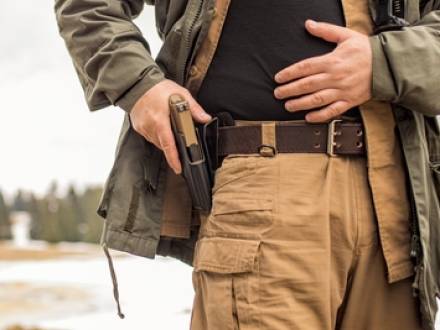 Texas has some of the most permissive gun laws in the country, but there are still many places where carrying a firearm is illegal, even if you have a license to carry. Many Texans are surprised to discover that carrying a gun somewhere that seems ordinary can result in serious criminal charges. The consequences of a weapons charge in Texas can be severe, and not knowing the law can’t be used in your defense. If you are facing a firearm charge in 2026, the Houston criminal defense lawyers at Murphy & McKinney Law Firm, P.C. can help you understand what happened and fight for the best possible outcome.
What Did Texas Law Change About Carrying Firearms in 2021?
In 2021, Texas passed what is commonly called the Constitutional Carry law. Under Texas Penal Code Section 46.02, most Texans who are 21 years of age or older and are not otherwise prohibited from possessing a firearm can carry a handgun in a holster without a license to carry.


 Office Location
Murphy & McKinney Law Firm, P.C.
902 Heights Blvd., Houston, TX 77008
P 713-229-8333
F 713-583-0205
Our firm is located in Houston, and we provide representation for people in the surrounding cities and counties, including Cypress, Katy, Spring, Pasadena, La Porte, Deer Park, Friendswood, Baytown, Harris County, Bastrop County, Brazoria County, Fort Bend County, Galveston County, Guadalupe County, Liberty County, Montgomery County, Walker County, Waller County, and Wharton County. We also serve clients throughout the state of Texas.
Results listed are not a guarantee or indication of future case results.