
713-229-8333

-

- Home
- Our Firm
- DWI
- First DWI
- Second DWI
- Third DWI
- Fourth DWI or More
- Felony DWI
- Commercial Vehicle DWI
- Motorcycle DWI
- Controlled Substance or Drug DWI
- Out of State Resident DWI
- College Student DWI
- Underage DUI
- DWI Defense for Licensed Professionals
- CPA Licenses
- Dental Licenses
- EMT Licenses
- Law Licenses
- Medical Licenses
- Mental Health Counselor Licenses
- Small Business
- Nursing Licenses
- Pharmacist Licenses
- Pilot Licenses
- Podiatrist Licenses
- Psychologist Licenses
- Real Estate Licenses
- SEC Securities Licenses
- Security Clearances
- Teaching Licenses
- Veterinarian Licenses
- Optometrist Licenses
- Collateral Consequences of DWI
- DWI Criminal Procedure
- ALR Hearing
- Open Container
- DWI Tests
- Boating While Intoxicated
- Criminal Defense
- Drug Crimes
- Drug Possession
- Drug Distribution
- Drug Conspiracy
- Drug Diversion
- Juvenile Drug Crimes
- Internet Drug Crimes
- Drug Crime Enhancements
- Drug Penalty Groups
- Drug Information
- Drug Crimes FAQ
- What Is Considered a Dangerous Drug in Texas?
- What Evidence Is Needed to Convict a Person of a Drug Crime in Texas?
- Is Possession of Marijuana a Crime in Texas?
- What Are the Consequences for Repeat Drug Offenders in Houston?
- Should I Plead Guilty to a Drug Crime Charge in Texas?
- What Is the Difference Between Federal and State Drug Crime Charges?
- Opioid Crimes FAQ
- Traffic Violations
- Assault Crimes
- Homicide Crimes
- Prostitution and Solicitation
- White Collar Crimes
- Theft
- Federal Crimes
- Federal Drug Charges
- Federal White Collar Crimes
- Immigration Crimes
- Federal Weapons Charges
- Obstruction of Justice
- Federal Crimes FAQ
- How Can an Attorney Help When Im Under Federal Investigation?
- What Happens if I Plead the Fifth in a Federal Crimes Case?
- Why Have I Been Accused of Obstruction of Justice?
- What Happens to Property That Has Been Forfeited and Seized by the Federal Government?
- What Should I Know About Federal Courts and the Federal Prison System in Texas?
- What Is a Currency Transaction Report?
- What Are Pre-Arrest and Arrest Warrants in Federal Crimes Cases?
- Other Crimes
- 3G Offenses
- Probation Violations
- Deferred Adjudication
- Expunctions
- Nondisclosures
- Defense Strategies
- Criminal Defense FAQ
- Drug Crimes
- Areas Served
- Houston Courts for DWI
- Harris County
- Baytown
- Bellaire
- Braeswood Place
- Cypress
- Deer Park
- East Downtown
- Friendswood
- Galleria
- Houston Heights
- Humble
- Jersey Village
- Katy
- Kingwood
- La Porte
- Memorial Villages
- Midtown
- Missouri City
- Montrose
- Pasadena
- Precinct 1
- Precinct 4
- Precinct 5
- Rice Military
- River Oaks
- Southside Place
- Spring
- Spring Valley
- Tanglewood
- Timbergrove/Lazybrook
- Tomball
- West University Place
- Westchase
- Austin County
- Bastrop County
- Brazoria County
- Colorado County
- Fayette County
- Fort Bend County
- Galveston County
- Grimes County
- Guadalupe County
- Lavaca County
- Leon County
- Liberty County
- Madison County
- Matagorda County
- Montgomery County
- Walker County
- Waller County
- Washington County
- Wharton County
- Media
- Blog
- Contact
“Excellent job. My case was dismissed, due to very professional services of Doug Murphy Law Firm.”-A.B.
Houston DWI & What the 12-Step DRE Means
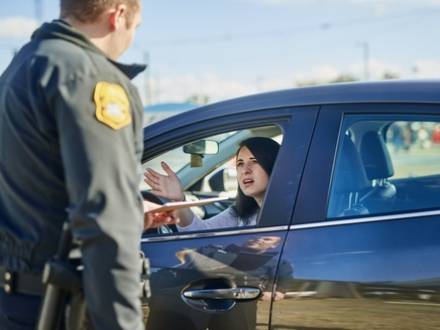 For most people, the words driving while intoxicated conjure visions of a person inebriated with alcohol behind the wheel of a car. However, there are countless substances capable of intoxication. From prescription drugs to illegal narcotics, these substances present a challenge to law enforcement because all of their training is generally only to determine alcohol impairment.
Unlike the amount of alcohol in the bloodstream, the volume of these substances in the bloodstream cannot be objectively measured because there have not been objectively defined limits for drugs in all persons. The series of tests and observations law enforcement created to use to identify drug intoxication is known as Drug Recognition Expert (DRE) protocol. The DRE protocol is a hocus pocus police tool that has the greatest potential to wrongfully convict a sober and innocent person who is being therapeutically treated by their physician.If you are facing a drug-related DWI charge in 2026, the Houston DWI defense lawyers at our firm are ready to help you challenge this flawed process.
What Is the DRE Protocol?
DRE testing was originally developed in the early 1970s by police officers from the Los Angeles Police Department. By 1979, the DRE protocol was officially adopted by the LAPD. In the early 1980s, DRE testing was adopted by the National Highway Traffic Safety Administration (NHTSA). It has spread in popularity since then, with thousands of officers obtaining DRE training across the country. DRE certifications are currently managed by the International Association of Chiefs of Police.
What Are the 12 Steps of the DRE Protocol?
The DRE is made up of twelve standardized steps designed to detect drivers impaired by substances other than alcohol. However, the reliability of these tests is disputed. In fact, in some jurisdictions, law enforcement is barred from delivering an expert opinion on whether a driver is intoxicated based upon DRE protocol.
Step 1: Breath Alcohol Test
First, the arresting officer will attempt to test a driver's breath alcohol concentration BrAC. It is up to the officer to determine if the signs of intoxication are explained by the BrAC level or if they could potentially be attributed to other substances. The arresting officer may request a DRE evaluation if the intoxication is not attributable to alcohol.
Step 2: Interview of the Arresting Officer
Upon the arrival of a DRE, the investigation begins with a debriefing of the arresting officer. The DRE will discuss with the arresting officer the circumstances of the arrest, including behavior, appearance, and signs of intoxication.
Step 3: Preliminary Examination and First Pulse
The next step involves the DRE taking the pulse of the driver and making preliminary observations. This process includes questioning the driver about any food, alcohol, or drugs they may have ingested recently.The intent of the exercise is to both collect potentially incriminating admissions as well as observe the speech, demeanor, coordination, and attitude of the driver. The pulse reading is the first of three and is also allegedly designed to detect either medical issues or drug use.If the DRE suspects the driver is suffering from a medical issue, it is incumbent on the DRE to seek medical attention for the driver. However, if the DRE believes the driver is under the influence of drugs, the investigation will continue.
Step 4: Eye Examination
The next step involves the DRE examining the eyes of the driver. This step includes a number of tests, including the Horizontal Gaze Nystagmus (HGN) test, the Vertical Gaze Nystagmus (VGN) test, and a lack of ocular convergence.A number of drugs are known to cause HGN, VGN, or a lack of ocular convergence.
Step 5: Divided Attention Psychophysical Tests
The fifth step involves a number of tests, mostly recognized as standard field sobriety tests. These tests include the Romberg Balance, the Walk and Turn, the One Leg Stand, and the Finger to Nose tests. The purpose of these tests is to identify if the driver's motor skills are affected while attempting multiple tasks at once.
Step 6: Vital Signs and Second Pulse
Next, the DRE takes the driver's vital signs and a second pulse reading. Some vital signs can be elevated or lowered by certain narcotics.
Step 7: Dark Room Examinations
The DRE measures the driver's pupil sizes three different times under three separate lighting conditions. Using a tool known as the pupilometer, the DRE measures to determine if the driver's pupils are constricted, dilated, or normal. Some drugs will cause a subject's pupils to constrict, while others will cause them to dilate.
Step 8: Examination for Muscle Tone
The DRE also observes the driver's muscle tone. Certain substances will cause a user's muscles to seize up and become rigid. Other substances can cause a user's muscle structure to become flaccid and loose.
Step 9: Check for Injection Sites and Third Pulse
While taking the driver's pulse a third time, the DRE will also view the driver's visible skin for needle injection sites that could be evidence of recent drug use.
Step 10: Subject's Statements and Other Observations
If the DRE has not done so yet, the officer reads the driver his or her Miranda rights. The DRE then asks the driver additional questions regarding any drug use.
Step 11: Analysis and Opinions of the Evaluator
The DRE next considers all of the previous evaluations during the DRE process and forms an opinion on whether or not the driver is intoxicated and what substances might be involved. The officer's opinion is ultimately subjective, despite the 12-step protocol.
Step 12: Toxicological Examination
After the completion of the investigation, the DRE will request a voluntary blood, urine, or saliva sample to allow for toxicology analysis. Under Texas Transportation Code Section 724.064, the results of a blood or breath test may be admitted as evidence in a DWI trial. However, the mere presence of a substance in the bloodstream does not automatically prove impairment, which is another reason the DRE process remains deeply controversial.
Contact Our Houston DWI Defense Attorneys Today
The most important thing to understand about the results of DRE testing is that the opinion of the expert is just that: a subjective opinion. The DRE consists of a number of subjective observations regarding a driver's vital signs and demeanor, coupled with standard field sobriety testing. Every part of the DRE protocol could lead 10 different DREs to reach 10 different conclusions. It is up to your criminal defense lawyer to show a jury that a DRE opinion is only based on subjective observations and not hard evidence.Attorney Doug Murphy understands that DRE results are based on opinion, not science or facts. As one of only two attorneys board-certified in Texas as an expert in both criminal law and DWI defense, Doug Murphy has the experience necessary to take the facts of your case and craft a trial defense that gives you your best chance at a favorable outcome. In fact, everything the Murphy & McKinney Law Firm, P.C. does is in anticipation of trial. While some attorneys are content to passively wait for a plea offer, Doug Murphy is always looking forward to the next courtroom battle.Contact us at 713-229-8333 to talk to our Houston DWI defense lawyer.


 Office Location
Murphy & McKinney Law Firm, P.C.
902 Heights Blvd., Houston, TX 77008
P 713-229-8333
F 713-583-0205
Our firm is located in Houston, and we provide representation for people in the surrounding cities and counties, including Cypress, Katy, Spring, Pasadena, La Porte, Deer Park, Friendswood, Baytown, Harris County, Bastrop County, Brazoria County, Fort Bend County, Galveston County, Guadalupe County, Liberty County, Montgomery County, Walker County, Waller County, and Wharton County. We also serve clients throughout the state of Texas.
Results listed are not a guarantee or indication of future case results.