
713-229-8333

-

- Home
- Our Firm
- DWI
- First DWI
- Second DWI
- Third DWI
- Fourth DWI or More
- Felony DWI
- Commercial Vehicle DWI
- Motorcycle DWI
- Controlled Substance or Drug DWI
- Out of State Resident DWI
- College Student DWI
- Underage DUI
- DWI Defense for Licensed Professionals
- CPA Licenses
- Dental Licenses
- EMT Licenses
- Law Licenses
- Medical Licenses
- Mental Health Counselor Licenses
- Small Business
- Nursing Licenses
- Pharmacist Licenses
- Pilot Licenses
- Podiatrist Licenses
- Psychologist Licenses
- Real Estate Licenses
- SEC Securities Licenses
- Security Clearances
- Teaching Licenses
- Veterinarian Licenses
- Optometrist Licenses
- Collateral Consequences of DWI
- DWI Criminal Procedure
- ALR Hearing
- Open Container
- DWI Tests
- Boating While Intoxicated
- Criminal Defense
- Drug Crimes
- Drug Possession
- Drug Distribution
- Drug Conspiracy
- Drug Diversion
- Juvenile Drug Crimes
- Internet Drug Crimes
- Drug Crime Enhancements
- Drug Penalty Groups
- Drug Information
- Drug Crimes FAQ
- What Is Considered a Dangerous Drug in Texas?
- What Evidence Is Needed to Convict a Person of a Drug Crime in Texas?
- Is Possession of Marijuana a Crime in Texas?
- What Are the Consequences for Repeat Drug Offenders in Houston?
- Should I Plead Guilty to a Drug Crime Charge in Texas?
- What Is the Difference Between Federal and State Drug Crime Charges?
- Opioid Crimes FAQ
- Traffic Violations
- Assault Crimes
- Homicide Crimes
- Prostitution and Solicitation
- White Collar Crimes
- Theft
- Federal Crimes
- Federal Drug Charges
- Federal White Collar Crimes
- Immigration Crimes
- Federal Weapons Charges
- Obstruction of Justice
- Federal Crimes FAQ
- How Can an Attorney Help When Im Under Federal Investigation?
- What Happens if I Plead the Fifth in a Federal Crimes Case?
- Why Have I Been Accused of Obstruction of Justice?
- What Happens to Property That Has Been Forfeited and Seized by the Federal Government?
- What Should I Know About Federal Courts and the Federal Prison System in Texas?
- What Is a Currency Transaction Report?
- What Are Pre-Arrest and Arrest Warrants in Federal Crimes Cases?
- Other Crimes
- 3G Offenses
- Probation Violations
- Deferred Adjudication
- Expunctions
- Nondisclosures
- Defense Strategies
- Criminal Defense FAQ
- Drug Crimes
- Areas Served
- Houston Courts for DWI
- Harris County
- Baytown
- Bellaire
- Braeswood Place
- Cypress
- Deer Park
- East Downtown
- Friendswood
- Galleria
- Houston Heights
- Humble
- Jersey Village
- Katy
- Kingwood
- La Porte
- Memorial Villages
- Midtown
- Missouri City
- Montrose
- Pasadena
- Precinct 1
- Precinct 4
- Precinct 5
- Rice Military
- River Oaks
- Southside Place
- Spring
- Spring Valley
- Tanglewood
- Timbergrove/Lazybrook
- Tomball
- West University Place
- Westchase
- Austin County
- Bastrop County
- Brazoria County
- Colorado County
- Fayette County
- Fort Bend County
- Galveston County
- Grimes County
- Guadalupe County
- Lavaca County
- Leon County
- Liberty County
- Madison County
- Matagorda County
- Montgomery County
- Walker County
- Waller County
- Washington County
- Wharton County
- Media
- Blog
- Contact
“Constant communication, swift resolution, ideal result :)”-Satisfied Client
Getting a DWI After You Run a Red Light
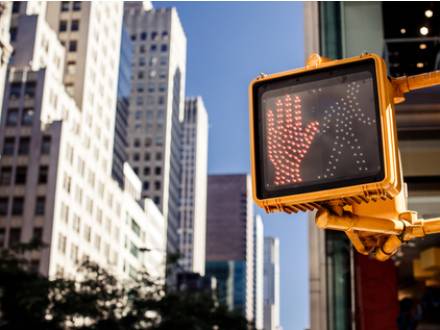 If you were pulled over for a traffic stop after running a red light and the encounter with the police ended up with an arrest and charged for DWI, you're probably frightened and overwhelmed right now. But thousands of people in Texas face DWI charges each year. A DWI charge isn't something you should try to handle alone. Our experienced Houston DWI defense attorneys can help you navigate the criminal justice system and develop the best possible defense to avoid the jail time, hefty fines, and suspended license that come with a DWI conviction.
What Happens During a DWI Stop and Arrest in Texas?
A DWI arrest usually follows a predictable pattern from the traffic stop to your interaction with the police, field sobriety tests, a request to take a blood alcohol concentration test, and then a possible arrest.
Reasonable Suspicion After Running a Red Light
The police can't simply pull you over on a hunch that you might have been drinking. They must have reasonable suspicion. Reasonable suspicion happens when an objective police officer would believe that someone is engaged in illegal behavior, given the relevant facts and circumstances of that specific situation. Breaking a traffic law qualifies as illegal behavior that meets the reasonable suspicion standard. As a result, a DWI stop usually starts with a traffic infraction that the police observed.
Police Officer Observations
During the traffic stop, the police officer will observe their interactions with you, watching for slurred speech, bloodshot eyes, poor motor coordination, the scent of alcohol coming from you or your car, or any other signs that you may be intoxicated. Under Texas Penal Code Section 49.01, "intoxication" is defined as:
- Having a BAC of .08 percent or more
- Not having the normal use of your mental or physical faculties
- As a result of alcohol, a controlled substance, a dangerous drug, or a combination of these.
If the police officer suspects you may be intoxicated after speaking with you, they may ask you to perform a field sobriety test.
Field Sobriety Tests
The police may use field sobriety tests to determine if you're intoxicated if they suspect you may be based on your behavior while observing you during a traffic stop. Field sobriety tests can include:
- The walk and turn test, which involves walking a line to assess your ability to perform tasks while the police divide your attention,
- The one-leg stand, which involves standing on one leg for 30 seconds, and
- The Horizontal Gaze Nystagmus Test, which involves observations of eye movements when looking to the side.
These tests are subjective, but if you "fail" one, the police may ask you to take a breath or blood test.
It's important to remember that completely sober people fail field sobriety tests all the time. You can fail a field sobriety test if you have a medical condition, poor balance, are wearing the wrong shoes, or the road or weather conditions are bad. If you're standing on the side of the highway in impractical shoes, with semis roaring by, it can be difficult for anyone to maintain their balance and composure.
Blood Alcohol Concentration Testing
If the police ask you to take a BAC test and you refuse, they will likely get a warrant for a blood test. While no BAC test is completely reliable, breath tests are less reliable than blood tests. The results can be inaccurate if:
- The police officer conducting the test isn't well-trained on how to use the equipment.
- The equipment wasn't properly maintained, cleaned, and calibrated.
- You ate food that affected the results.
- You have a medical condition that affected the results.
- You're taking a prescription or over-the-counter drug that changed the results.
Your attorney may find it easier to attack BAC breath test results than BAC blood test results. Whether a breath or blood test is more favorable depends on the facts of the case, including when the test was given and how it was administered.
Probable Cause and a DWI Arrest
The police need probable cause to believe you were driving while intoxicated before they can arrest you for DWI. Probable cause is a higher standard than reasonable suspicion. Probable cause for a DWI arrest means that the police have a reasonable belief that you were intoxicated, considering all the facts and circumstances surrounding your DWI stop. The police need probable cause for your arrest and generally need a warrant or a recognized legal exception before conducting certain searches or obtaining a blood sample.
Contact Our Houston, TX DWI Defense Attorneys Today
If you're facing a DWI charge after running a red light, you need an expert in Texas DWI defense. A DWI charge isn't a situation you can handle on your own. If convicted, you could face heavy fines, a suspended license, and jail time. That's why it's important to obtain the advice and skill of an experienced defense attorney. Attorney Doug Murphy is Board Certified in both Criminal Defense Law and DWI Defense. He is one of only two Texas attorneys who is Board Certified in both specialties, making him an expert in DWI defense.
Doug is also active in the legal community outside of the courtroom, serving as a passionate advocate for the rights of Houstonians. He is the past president of the Harris County Criminal Lawyers Association and the Dean Emeritus on the Board of Regents for the National College for DUI Defense. Doug has also served on the board of the Harris County Criminal Lawyers Association and with the Texas Criminal Defense Lawyers Association.
Best Lawyers currently recognizes Doug Murphy in The Best Lawyers in America for DUI/DWI Defense in Houston, and he has been recognized by Best Lawyers since 2013. Find out why the Houston media calls him the "Drinking Driver's Best Friend." He can help you as well.
Call Murphy & McKinney Law Firm, P.C. at 713-229-8333 or contact our Houston DWI defense attorneys online to schedule your consultation.


 Office Location
Murphy & McKinney Law Firm, P.C.
902 Heights Blvd., Houston, TX 77008
P 713-229-8333
F 713-583-0205
Our firm is located in Houston, and we provide representation for people in the surrounding cities and counties, including Cypress, Katy, Spring, Pasadena, La Porte, Deer Park, Friendswood, Baytown, Harris County, Bastrop County, Brazoria County, Fort Bend County, Galveston County, Guadalupe County, Liberty County, Montgomery County, Walker County, Waller County, and Wharton County. We also serve clients throughout the state of Texas.
Results listed are not a guarantee or indication of future case results.