
713-229-8333

-

- Home
- Our Firm
- DWI
- First DWI
- Second DWI
- Third DWI
- Fourth DWI or More
- Felony DWI
- Commercial Vehicle DWI
- Motorcycle DWI
- Controlled Substance or Drug DWI
- Out of State Resident DWI
- College Student DWI
- Underage DUI
- DWI Defense for Licensed Professionals
- CPA Licenses
- Dental Licenses
- EMT Licenses
- Law Licenses
- Medical Licenses
- Mental Health Counselor Licenses
- Small Business
- Nursing Licenses
- Pharmacist Licenses
- Pilot Licenses
- Podiatrist Licenses
- Psychologist Licenses
- Real Estate Licenses
- SEC Securities Licenses
- Security Clearances
- Teaching Licenses
- Veterinarian Licenses
- Optometrist Licenses
- Collateral Consequences of DWI
- DWI Criminal Procedure
- ALR Hearing
- Open Container
- DWI Tests
- Boating While Intoxicated
- Criminal Defense
- Drug Crimes
- Drug Possession
- Drug Distribution
- Drug Conspiracy
- Drug Diversion
- Juvenile Drug Crimes
- Internet Drug Crimes
- Drug Crime Enhancements
- Drug Penalty Groups
- Drug Information
- Drug Crimes FAQ
- What Is Considered a Dangerous Drug in Texas?
- What Evidence Is Needed to Convict a Person of a Drug Crime in Texas?
- Is Possession of Marijuana a Crime in Texas?
- What Are the Consequences for Repeat Drug Offenders in Houston?
- Should I Plead Guilty to a Drug Crime Charge in Texas?
- What Is the Difference Between Federal and State Drug Crime Charges?
- Opioid Crimes FAQ
- Traffic Violations
- Assault Crimes
- Homicide Crimes
- Prostitution and Solicitation
- White Collar Crimes
- Theft
- Federal Crimes
- Federal Drug Charges
- Federal White Collar Crimes
- Immigration Crimes
- Federal Weapons Charges
- Obstruction of Justice
- Federal Crimes FAQ
- How Can an Attorney Help When Im Under Federal Investigation?
- What Happens if I Plead the Fifth in a Federal Crimes Case?
- Why Have I Been Accused of Obstruction of Justice?
- What Happens to Property That Has Been Forfeited and Seized by the Federal Government?
- What Should I Know About Federal Courts and the Federal Prison System in Texas?
- What Is a Currency Transaction Report?
- What Are Pre-Arrest and Arrest Warrants in Federal Crimes Cases?
- Other Crimes
- 3G Offenses
- Probation Violations
- Deferred Adjudication
- Expunctions
- Nondisclosures
- Defense Strategies
- Criminal Defense FAQ
- Drug Crimes
- Areas Served
- Houston Courts for DWI
- Harris County
- Baytown
- Bellaire
- Braeswood Place
- Cypress
- Deer Park
- East Downtown
- Friendswood
- Galleria
- Houston Heights
- Humble
- Jersey Village
- Katy
- Kingwood
- La Porte
- Memorial Villages
- Midtown
- Missouri City
- Montrose
- Pasadena
- Precinct 1
- Precinct 4
- Precinct 5
- Rice Military
- River Oaks
- Southside Place
- Spring
- Spring Valley
- Tanglewood
- Timbergrove/Lazybrook
- Tomball
- West University Place
- Westchase
- Austin County
- Bastrop County
- Brazoria County
- Colorado County
- Fayette County
- Fort Bend County
- Galveston County
- Grimes County
- Guadalupe County
- Lavaca County
- Leon County
- Liberty County
- Madison County
- Matagorda County
- Montgomery County
- Walker County
- Waller County
- Washington County
- Wharton County
- Media
- Blog
- Contact
“Doug & Chris are top notch. Both are extremely competent, family oriented and deliver results.”-D.P.
What Happens if Police Find Drugs During an Unrelated Arrest?
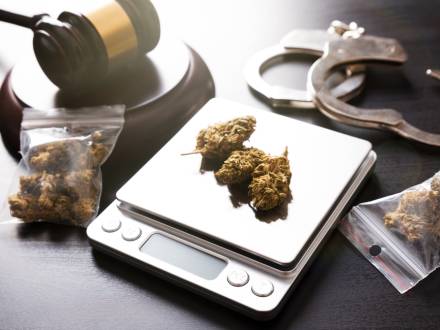
If police find drugs while arresting you for another offense, they could file an additional drug charge. However, an arrest does not give officers the right to search everything around you. Texas and federal law limit what police can search. If officers break those rules, the drugs may be kept out of court. If you’re facing drug charges in 2026, our Houston drug crimes defense lawyers can review the arrest and search for possible defenses.
When Can Police Search You After an Arrest in Houston?
Police can search your clothing, pockets, and items on your person after a lawful arrest that places you in custody. They can also search the area within your immediate reach in certain situations. This helps protect officers and prevent the destruction of evidence. However, an arrest alone does not allow police to search your entire home or vehicle.
Vehicle searches follow a different rule. Police may search the passenger area after arresting someone from a car if that person can still reach it. They can also search if they reasonably believe the vehicle contains evidence related to the crime for which you were arrested.
Other rules may allow a search. For example, police may search a vehicle without a warrant if they have probable cause to believe it contains evidence of a crime.
Inventory searches come up often. When a vehicle is impounded, officers may catalog its contents, but they must follow standard department procedures. They cannot use an inventory search as an excuse to look for evidence.
Officers may also seize contraband in plain view when they are lawfully present, and its illegal nature is clear.
What Drug Charges Can Come From an Unrelated Arrest in Houston?
The charge depends on the substance and the amount. Under Texas Health and Safety Code § 481.115, possession of drugs in Penalty Groups 1 and 1-B can lead to felony charges. These groups include cocaine, heroin, methamphetamine, and fentanyl. Penalties depend on weight:
-
Less than one gram is a state jail felony.
-
One gram to less than four grams is a third-degree felony.
-
Four grams to less than 200 grams is a second-degree felony.
-
Larger amounts carry first-degree felony penalties.
Other drugs fall into different penalty groups. Marijuana possession follows separate rules.
Police can accuse you of possession with intent to deliver if they find signs that the drugs were meant to be sold. These can include packaging, scales, cash, or large amounts of drugs. Penalties are often higher than for possession alone.
Drug paraphernalia charges may also be filed. Texas counts certain added substances, called adulterants or dilutants, when weighing controlled drugs. This can increase the weight used to decide the charge.
Can an Illegal Search Get a Texas Drug Charge Dismissed?
An illegal search can seriously weaken a drug case, but dismissal is not guaranteed. Your lawyer can file a motion to suppress. This asks the judge to keep illegally obtained evidence out of court. Texas Code of Criminal Procedure Article 38.23 protects against the use of evidence obtained in violation of state or federal law. However, exceptions apply.
If important facts about the search are disputed at trial, jurors may also receive instructions to disregard illegally obtained evidence. The disputed fact must affect whether the search was legal.
Common suppression arguments include an arrest made without probable cause, a search extending beyond the permitted area, an inventory search that departed from policy, and consent obtained through threats or false claims of authority.
Can You Face Texas Drug Possession Charges if the Drugs Were Not Yours?
You do not have to own drugs to possess them under Texas law. However, prosecutors must prove you knowingly had care, custody, control, or management of the substance.
Courts look for facts that connect you to the drugs. These include where the drugs were found, who could reach them, and whether you made statements about them. Courts may also consider your actions and whether other people had access to the area.
Drugs found in a shared vehicle, a borrowed car, or a residence with multiple occupants present real questions about who possessed them. Being the driver does not prove you possessed drugs in a passenger's bag. Living in a home does not mean you possessed drugs kept by a roommate.
Contact Our Houston Drug Crimes Defense Attorneys
Attorney Doug Murphy has served on the Board of Regents for the National College for DUI Defense and as President of the Harris County Criminal Lawyers Association. He can review how officers found the drugs, whether the search followed the law, and whether the evidence supports the charge.
Contact Murphy & McKinney Law Firm, P.C. at 713-229-8333 to talk to our Houston drug crimes defense lawyers today.


 Office Location
Murphy & McKinney Law Firm, P.C.
902 Heights Blvd., Houston, TX 77008
P 713-229-8333
F 713-583-0205
Our firm is located in Houston, and we provide representation for people in the surrounding cities and counties, including Cypress, Katy, Spring, Pasadena, La Porte, Deer Park, Friendswood, Baytown, Harris County, Bastrop County, Brazoria County, Fort Bend County, Galveston County, Guadalupe County, Liberty County, Montgomery County, Walker County, Waller County, and Wharton County. We also serve clients throughout the state of Texas.
Results listed are not a guarantee or indication of future case results.